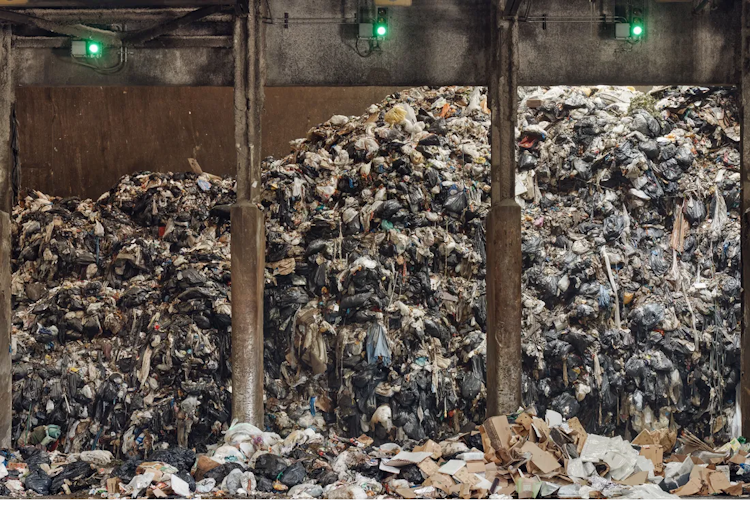
Do You Really Need To Rent A Dumpster

junk disposal in Rochester, NY
Most people do not know if they really need a dumpster or not. Dumpster rentals are not necessarily cheap but they can save you a lot of hassle especially if you are doing large scale home renovation projects or if you are starting a food business. Think about how much waste you are likely to generate every day. If your average daily amount of trash is large enough to fit a regular sized dumpster, then you probably need to rent one.

Factors to Consider When Renting a Dumpster

You need to look at a few factors if you are planning to rent a dumpster. Important things to consider include:

  • Size
  • Location
  • Type of waste
  • Segregation options
  • State or municipal requirements

The size is important since there are varied sizes of dumpsters and you want one that can fit in your driveway or the alley next to your shop. You may also want to consider how you want your waste to be sorted. There are dumpsters that have built-in segregation, while others are open containers that allow you to create your own segregation using plastic containers that you must provide for yourself.

The type of waste must be considered as well. You will need to segregate wet from dry waste, for example. You also need to consider state rules and laws that may limit how you use the dumpster. For example, dumpster regulations in some cities require permits if you want to place your bins on a public street or alley.

How to Determine the Size of Your Dumpster

If you are planning to rent a garbage container, the most important thing to remember is the size. Most companies that offer roll off containers offer various sizes suitable for various types of construction projects. You can determine what size of dumpster you need by looking at the amount of waste you are likely to generate.

For example, if you expect to generate 10 yards of dumpster content every day, you need to rent a roll-off dumpster that is 2 ft x 8 ft 4 ft high. For 20 yards of waste content, you will need a dumpster that is 22 ft x8 ft 4.5 ft high. For 30 yards of garbage content, you will need a dumpster that is 30 ft x8 ft x 6 ft high. If you are not sure about the size of the waste you are likely to generate, your dumpster company will likely have a good idea o of the size depending on what kind of business or activity you are doing.

Remember that the size of the dumpster determines how much the rental costs, so it is important to choose just the right size to avoid paying for excess dumpster space that you do not need.

How to Choose a Garbage Rental Company

Chances are, you can find a number of suitable choices for a dumpster rental in Rochester. However, not all rental companies are created alike. Some may not offer the services that you will find necessary such as transport of the dumpster to your home or business. Others may cost too much or charge hidden fees. Here are a few of the factors to consider:

  • Years of service
  • Positive feedback from past clients
  • Reliable customer service
  • Reasonable cost
  • Transport to client’s home or business location
  • Available sizes of garbage receptacles for rent
  • Allowed contents
  • No hidden fees
  • Weigh limits

Choose a waste management company that has been around for years doing good business in your area. Ensure that the company is highly regarded by past clients, to reduce any changes of unsatisfactory service. You also need to make sure that the company offers reliable customer service. The best companies offer 24-hour customer service by phone, email, or IM.

Most rental companies offer transport to your home, construction area, or shop, but beware of hidden fees like fuel or environmental fees and delivery charges. To be on the safe side, choose a dumpster company that offers a flat rate. Also ensure that the company specifies the weight limit and whether they charge extra for any excess in weight or not.

A reliable dumpster rental company is indispensable for large scale home or business projects. Fortunately, Rochester Dumpster Rental Team services the entire Rochester metro area and provides reliable service at reasonable rates. Do your homework by looking around for the best rental packages and consider the factors mentioned above to avoid any nasty surprises such as added expenses in hidden fees or extra fees for excess dumpster waste.

Permits Required to Hire a Dumpster Rental in Tennessee

sustainability in Memphis, TN

Tennessee Dumpster Rental Permit Requirements

Dumpster rentals in Tennessee are one of the most common solutions for waste disposal during construction projects, home renovations, or significant cleanups. Renting a dumpster in Tennessee requires you to have the necessary skills so that you do not get any legal issues. Depending on where the dumpster is placed and local regulations regarding waste management, permits are often required. Below, we’ll discuss the major permit requirements, processes, and considerations for renting a dumpster in Tennessee.

Do You Need a Permit for a Dumpster Rental in Tennessee

A dumpster permit is not required for every dumpster rental in Tennessee. Typically, you will be required to pay for a permit depending on the location of the dumpster:

  • Private Property: If you intend to place the dumpster on private property like a driveway or backyard, permits are hardly needed. But be sure to check with local homeowner associations (HOAs), if applicable, as they may have particular regulations regarding dumpster placement
  • Public Property: If the dumpster is going on public property, like a street, sidewalk, or alley, you will almost always need a permit. Public placement should not block vehicular or pedestrian traffic; local governments like Memphis regulate this to guarantee both safety and accessibility

Permits for Dumpster Rentals – What Types are There

The most common dumpster-related permits required in Tennessee are right-of-way permits and zoning permits:

  • Right-of-Way Permits: Required when a dumpster blocks public spaces, such as streets and sidewalks. Local government offices or public works departments issue these permits to guarantee that the placement does not create safety hazards or interfere with the public’s access
  • Zoning Permits: Depending on where you live, zoning laws might affect where you can put a dumpster. Some residential and commercial areas may have restrictions on dumpster use or require additional clearance, for example

The Dumpster Rental Permit: What You Need to Know

The requirements for obtaining a dumpster rental permit in Tennessee differ by city or county. For recycling, sometimes sorting waste is required. Here’s a broad overview of the general steps:

  • Contact Local government office: Find the relevant department that issues permits That is usually the local public works department or the building and zoning office
  • Fill Out The Required Application: Provide the necessary information in the required permit application form. You might need to specify the dumpster dimensions, placement location, and period of rental
  • Pay It: Most permits have a fee, which also varies with the jurisdiction. Fees normally fall between $25 and $100
  • Planning Ahead: Applications for permits can take a few days to be processed, so do this weeks or, if possible, a month in advance of your intended rental
  • Show the Permit: After approval, some jurisdictions require that the permit be visibly displayed on or near the dumpster

Tennessee-Specific Rules and Factors

Permit requirements vary from one town to the next, but there are some noteworthy state-level regulations and trends:

  • Stringent Rule In Cities: Major cities, including Nashville, Memphis and Knoxville have more stringent regulations concerning dumpsters in the public right-of-way. Those cities might need other permits or inspections. Notably, Tennessee law focuses on proper waste disposal, especially for construction or hazardous waste. If someone is renting a dumpster, there are other considerations that may be important if their waste involves materials like asbestos, chemicals, or electronics
  • HOA Restrictions: Homeowners associations in suburban and residential areas may have their own rules dictating whether a dumpster can be visible at your home, how long it can stay and noise rules. Prevent fines or friction: Check with your HOA

Penalties for Non-Compliance

You could face fines, penalties, or legal consequences for not getting the necessary permits for your dumpster rental. Penalties may include:

  • Penalty for Blocking Public Property: If you do not have a permit, you could be fined anywhere between $50 to $500, depending on the municipality
  • Mandatory Removal: Dumpsters illegally placed on public or private property may be removed or towed — at your expense
  • Delays in Projects: If non-compliance is detected, construction or cleanup projects can be delayed, which will raise the overall cost

Navigating the Dumpster Rental Process

If you want to avoid complications when renting a dumpster in Tennessee follow these tips:

  • Things to Know Ahead of Renting a Dumpster: Local policies and permits
  • Professional Help: Most respectable dumpster rental services help with the permitting process or give directions
  • Monitor Time Limits: The majority of permits are valid for a given time frame. However, you should follow the approved timeline or you might incur some kind of fee
  • Clear Communication: If you will be placing the dumpster in a location that may affect the access or convenience of neighbors or their family members, be sure to let them know in advance

A dumpster rental in Tennessee can help facilitate the management of project-related waste, but what if there are some restrictions in place?

If the dumpster is situated on public property, you will usually need a permit to place it there. This means you will need to go through local government offices to obtain that permit. Complying with state and municipal guidelines can be complicated, but knowing the permitting process protects you from violations and delays for the hassle-free rental experience you want. Always plan ahead, consult with local authorities, and use the services of experienced rental companies to help navigate the legal and logistical aspects of your project.